
The global transformation of our energy system toward renewable and zero-emission sources will also bring a profound shift in employment worldwide.
The energy transition has become one of the largest employers on a global scale. In recent years, demand for skilled labor in energy efficiency and clean energy technologies, such as solar, wind, batteries, and heat pumps, has surged. Driven also by new digitalization trends, the sector has gained momentum and is now shaping entirely new professions, skills, and specializations.
At the same time, it has exposed a number of shortages, especially in more technical roles, and raised growing concerns for traditional sectors such as hydrocarbons.
In this evolving context, it is essential to understand the scale of the changes that certain market segments are expected to undergo over the next decade, identifying where demand for workers will grow the most, as well as the capabilities that will determine success and the skills required by the ongoing energy transition. These are core themes of KEY – The Energy Transition Expo, the event that from March 4 to 6, 2026, will turn the Rimini Expo Centre into a hub for the energy transition and energy efficiency.
In its new, even larger and richer edition, the event has dedicated a specific space to companies looking to the future. This is the Innovation District, a pavilion devoted exclusively to innovation and to organizations that invest in research and development with the aim of creating business opportunities and fostering dialogue between established companies and startups. Within this area, through the “Green Jobs & Skills” project, KEY 2026 aims to act as a facilitator between labor demand and supply, both for those seeking opportunities, including recent graduates, technical school students, researchers, and professionals, and for those offering them. The event will provide a digital space for meetings between young people and companies, while also hosting a dedicated day focused on guidance and training.
The energy transition workforce
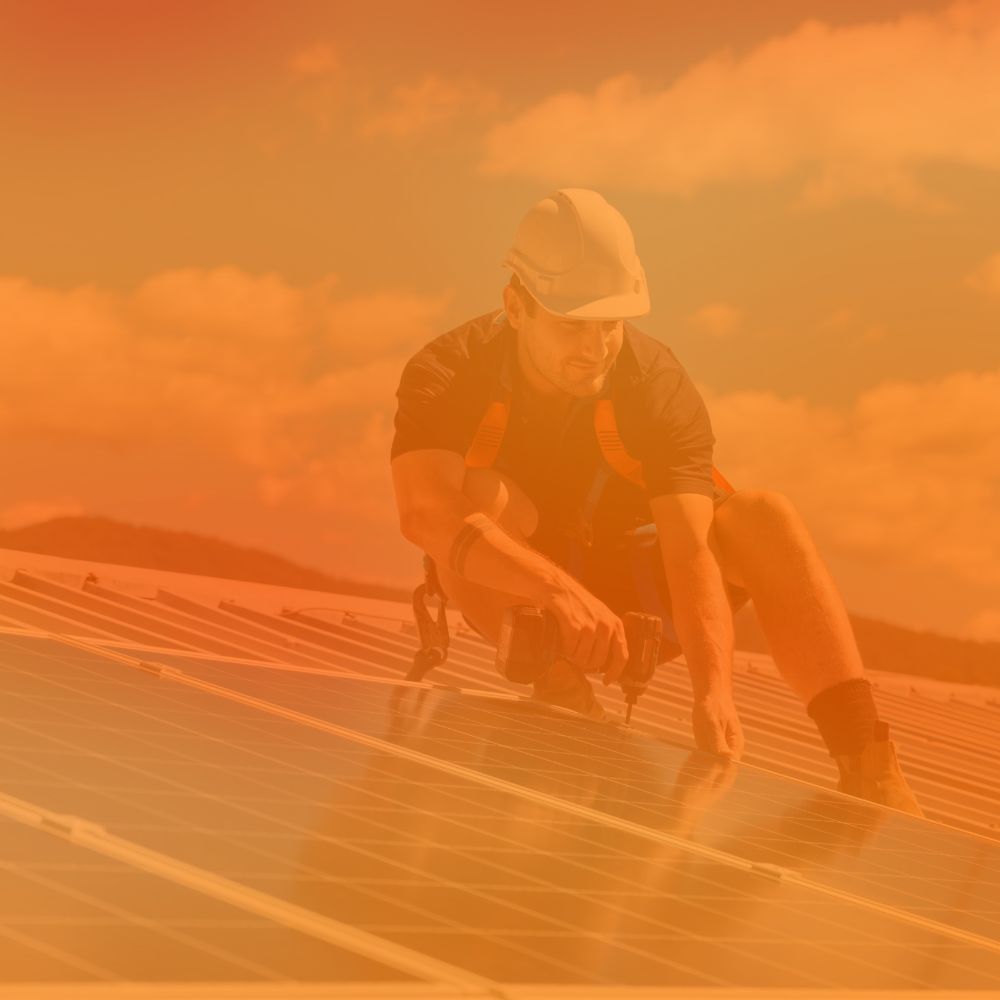
Let us start with the current scenario and the 76 million people working in the energy sector. According to the latest report by the International Energy Agency (IEA), in 2024, employment growth in the global energy sector exceeded overall job growth in the wider economy for the third consecutive year. This was driven by the strong performance of the electricity segment, generation, transmission, distribution, and storage, which, with 22.6 million workers, not only surpassed the fuel supply chain but also became the largest energy employer worldwide. Solar photovoltaics were undoubtedly the main driver of this demand, with more than 5.5 million jobs.
However, the IEA report clearly highlights a broader trend: the electrification of consumption is not only boosting employment, it is also changing its nature. Two segments in particular illustrate this shift: electric vehicles, including batteries, and energy efficiency, which employ 3.5 million and 14.3 million people, respectively. In both cases, growth over the past year has been driven on the one hand by workforce reskilling, such as boiler installers transitioning to heat pumps, and on the other by the creation of entirely new dedicated professions, including EV battery manufacturers and industrial electrical equipment installers.
A look at the jobs of the future
The obvious question is how will energy transition-related professions change in the coming years, and how many jobs will they create? According to the IEA’s “World Energy Employment 2025” report, under a Net Zero Emissions by 2050 scenario, characterized by an accelerated transition, total employment in the energy sector would expand significantly, with a substantial increase in labor demand amounting to nearly 15 million additional workers by 2035.
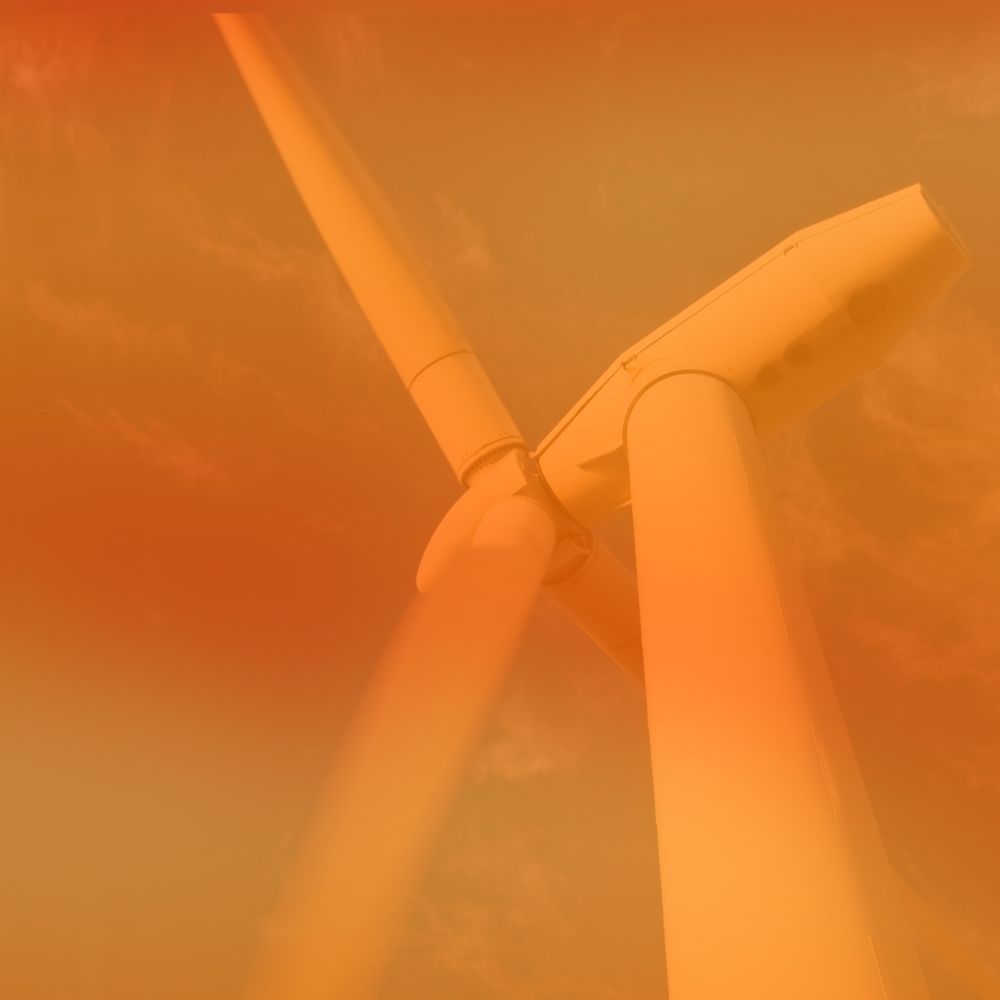
In this context, solar photovoltaics will continue to be the largest job creator, while employment in the wind sector would also grow rapidly at a compound annual growth rate of 9 percent through 2035.
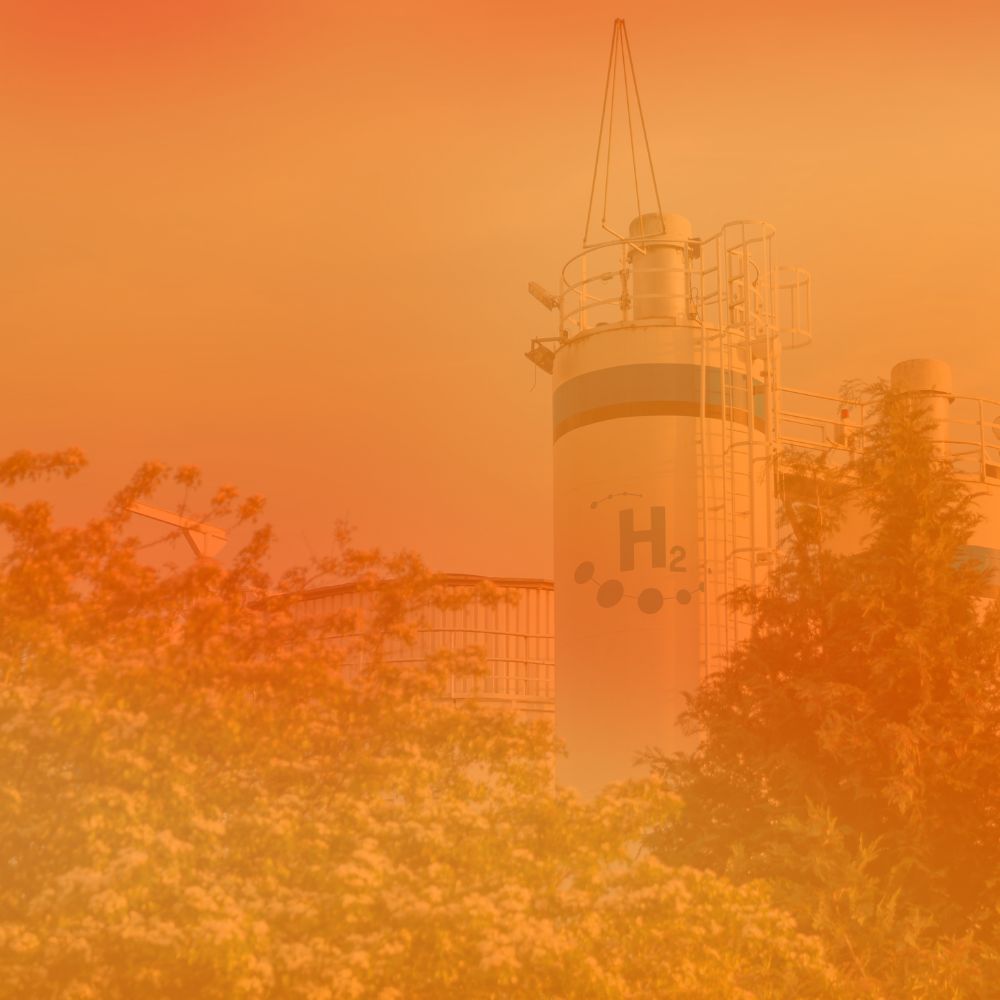
Alignment with the net-zero pathway would also require an increase in employment in low-emission hydrogen, with annual growth of 28 percent through 2035, a pace similar to that observed in battery storage over the past nine years. The transition to electric vehicles would likewise accelerate further, potentially accounting for more than 90 percent of total employment in the vehicle manufacturing sector by 2035, including battery production.
These projections are closely tied to ambitious climate policies. However, even without the full effort required to reach net zero by mid-century, the energy transition will not stop, nor will the evolution of professions.
The needs of global energy systems, increasingly electrified, connected, and decentralized, are reshaping company requirements. In the future, there will be a growing demand for specialists in energy storage, electric vehicle charging infrastructure, microgrids and smart grids, and the Internet of Things. Demand will also rise for professionals in monitoring and managing solar and wind generation, as well as for asset managers.
The major digitalization shift will have tangible effects, increasing the need for specialists in data management, predictive maintenance of plants, and cybersecurity, while also opening opportunities for those working with artificial intelligence.
Although it is difficult to predict the exact nature, scale, and impact of AI applications on the transition, it is clear that many areas of energy innovation face challenges that artificial intelligence could help address, from highly complex design spaces to the need to balance performance trade-offs for optimal outcomes, as well as the analysis of vast amounts of data.
The challenges ahead
As recent sector analyses show, the industry is beginning to display early signs of a shortage of qualified workers. This shortage is exacerbated by an aging workforce and is felt most acutely in applied technical roles, installers, electricians, and engineers, which together account for more than half of the energy workforce.
To meet future demand, it is therefore essential to be prepared, closing skills gaps and identifying new market needs.
Currently, the most in-demand and hardest-to-find professions are:
|
Professional Category |
Sector |
|
Electricians |
Power grids, photovoltaic systems, construction |
|
Installers |
Photovoltaic systems |
|
Grid technicians |
Transmission and distribution |
|
Plumbers and pipe installers |
Hydrogen, CCS, heat pumps |
|
Welders |
Infrastructure projects |
|
Engineers and specialized technicians |
Offshore wind facilities |
Looking to the near future, the energy transition will primarily require professionals capable of combining technical knowledge with economic, managerial, and social aspects.
This is why university programs should evolve beyond traditional STEM, Science, Technology, Engineering, and Mathematics, toward educational offerings that integrate social sciences and humanities, particularly business, management, economics, and finance. At the same time, it will be necessary to accelerate the development of ICT skills and expertise in priority areas such as smart grids, system simulation, and energy efficiency.
Likewise, investment in Reskilling and Upskilling will be essential for those currently working in sectors most affected by change. Around two-thirds of workers in the oil and gas sector already possess the core skills needed to move into other parts of the energy industry. In particular, offshore wind, geothermal energy, and carbon capture and storage (CCS) show strong skill overlap with hydrocarbons, including project engineers, welders, and drilling technicians.
This article was realized in collaboration with Rinnovabili.
PUBLICATION
17/12/2025
Other related news

04/09/2026
Agrivoltaic suitable areas in Italy, a fast-evolving regulatory framework

05/02/2025

15/07/2025

03/02/2025
10/07/2023

21/02/2025

13/06/2025
Solar photovoltaic capacity worldwide surpasses 2.2 TW in 2024

04/09/2026
Photovoltaics module technology accelerates beyond 25% efficiency

15/10/2025
26/08/2025
The contribution of renewables to the climate fight
29/10/2025
European PPA Market: challenges and opportunities
20/10/2023

10/07/2025
22/07/2024
20/01/2025

04/09/2026
Solar protects Europe from rising prices and foreign dependence